
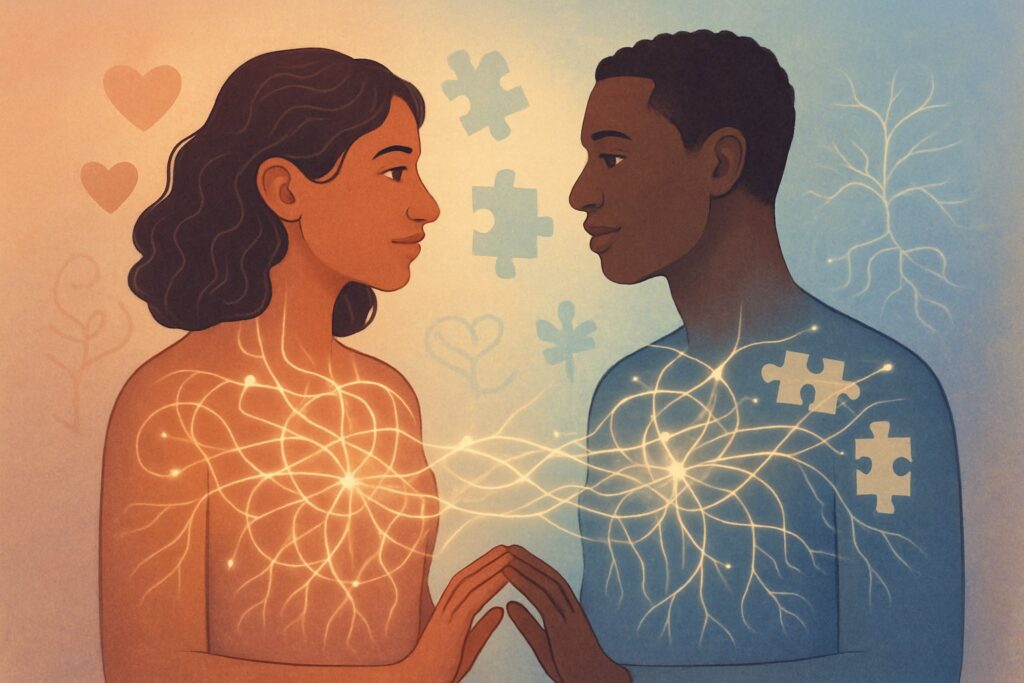

A relationship is a connection between two or more people that involves emotional, physical, or social bonds, ranging from casual friendships to committed partnerships. This definition might sound straightforward, but the reality of human connections contains layers of complexity that shape how you experience intimacy, trust, and belonging throughout your life.
You encounter relationships in countless forms daily – the colleague you share morning coffee conversations with, the family member you call during tough times, or the partner whose presence transforms an ordinary evening into something meaningful. Each connection operates under different expectations, boundaries, and levels of emotional investment that influence how you communicate, resolve conflicts, and build lasting bonds.
Understanding what makes relationships work requires examining the patterns that create healthy connections versus those that lead to disappointment or pain. Whether you’re questioning the dynamics in your current relationships, seeking to build stronger connections, or simply curious about the psychology behind human bonding, exploring the fundamental elements of relationships can help you make more informed choices about the people you invite into your life.
Introduction to Relationships
Relationships exist in many forms and serve as the building blocks of human connection, each defined by specific patterns of interaction, emotional bonds, and mutual influence between individuals. Your ability to recognize and build healthy relationships directly impacts your emotional well-being, personal growth, and life satisfaction.
The Core Definition of a Relationship
A relationship represents any connection between two or more people characterized by ongoing interaction, shared experiences, and mutual influence on each other’s thoughts, feelings, or behaviors. You engage in relationships daily, from brief exchanges with strangers to deep bonds with family members.
Types of relationships include romantic partnerships, friendships, family connections, professional associations, and casual acquaintanceships. Each type involves different levels of intimacy, commitment, and emotional investment from you.
The defining elements that make any connection a relationship are reciprocal communication, emotional exchange, and behavioral influence. When you interact with someone repeatedly and both parties affect each other’s actions or feelings, you’ve formed a relationship.
Power dynamics also shape relationships significantly. Recent discussions about abuse of trust in relationships of power highlight how imbalanced authority can create ethical concerns in professional or educational settings.
Your relationships exist on a spectrum from superficial to intimate. Surface-level connections involve limited personal disclosure, while deeper relationships require vulnerability, trust, and emotional investment from both parties.
Why Understanding Relationships Matters
Your relationship knowledge directly affects your ability to form meaningful connections and maintain your mental health. Research consistently shows that people with strong social connections experience lower rates of depression, anxiety, and physical illness.
Practical benefits of relationship awareness include improved communication skills, better conflict resolution abilities, and increased emotional intelligence. You become more skilled at reading social cues, expressing your needs clearly, and responding appropriately to others’ emotions.
Understanding relationship dynamics helps you identify toxic patterns early. You learn to recognize red flags like manipulation, emotional abuse, or excessive control before these behaviors cause significant harm to your well-being.
Your career success often depends on relationship skills. Professional networking, team collaboration, and leadership all require your ability to build rapport, maintain trust, and manage interpersonal conflicts effectively.
Self-awareness grows through relationship reflection. You discover your attachment style, communication preferences, and emotional triggers by observing how you interact with different people in various situations.
The knowledge empowers you to make informed choices about which relationships to invest in, which to modify, and which to end for your own protection and growth.
Types of Relationships

Relationships exist across every aspect of human experience, from intimate partnerships to workplace connections. Each type serves distinct purposes and operates by different expectations, boundaries, and communication patterns.

Personal Relationships
Your personal relationships form the foundation of emotional well-being and identity development. These connections involve varying degrees of intimacy, trust, and mutual support.
Romantic relationships represent the most intensively studied personal connections. Research shows that relationship satisfaction links directly to physical and psychological wellbeing, while dissatisfaction often leads to dissolution. These partnerships require emotional vulnerability, shared decision-making, and ongoing commitment.
Family relationships operate through biological or chosen bonds. You inherit some family connections at birth, while others develop through marriage, adoption, or long-term commitment. These relationships often carry legal obligations and cultural expectations.
Friendships develop through shared interests, values, or experiences. Unlike romantic partnerships, friendships typically involve less exclusivity and fewer formal commitments. You maintain multiple friendships simultaneously without conflict.
Parent-child relationships create unique dynamics involving care, guidance, and gradual independence. These connections evolve as children mature, shifting from dependency to mutual respect and support.
Different relationship types require distinct communication styles, boundaries, and expectations. Your romantic partner expects emotional intimacy that differs from workplace collegiality or casual friendship.
Professional and Social Relationships
Your career and social environment create networks of functional relationships that serve specific purposes beyond personal fulfillment.
Workplace relationships operate within organizational structures and professional boundaries. You interact with supervisors, colleagues, and subordinates according to company policies and industry standards. These connections require diplomacy, respect, and clear communication while maintaining appropriate distance.
Mentor-mentee relationships involve knowledge transfer and career guidance. You either seek wisdom from experienced professionals or share your expertise with newcomers. These relationships blend personal interest with professional development.
Community relationships connect you to neighbors, local organizations, and civic groups. You participate in shared spaces and common interests while respecting diverse backgrounds and opinions.
Transactional relationships exist with service providers, vendors, and customers. You exchange specific services or products through brief, goal-oriented interactions. These connections require courtesy and clarity without deeper emotional investment.
Each professional relationship type demands different levels of formality, time investment, and personal disclosure. Your approach with a direct supervisor differs significantly from interactions with casual acquaintances or service providers.
Digital and Modern Relationship Contexts
Technology has created new relationship categories that blend traditional connection types with virtual interaction possibilities.
Online dating relationships begin through digital platforms before moving to face-to-face meetings. Statistics show that 53% of single men and 68% of single women between ages 18-34 want romantic relationships, with many using apps and websites to connect. These relationships face unique challenges around authenticity and expectation management.
Social media relationships maintain connections across geographic distances and time zones. You interact with former classmates, distant relatives, and casual acquaintances through posts, comments, and messages. These connections often lack depth but provide broad social networks.
Virtual friendships develop entirely online through gaming, forums, or shared interest groups. You form meaningful bonds with people you may never meet physically, sharing experiences and support through digital communication.
Long-distance relationships use technology to maintain intimacy across miles. Video calls, messaging apps, and shared digital experiences help couples stay connected between physical visits.
Digital relationships require new skills around communication timing, privacy boundaries, and authentic self-presentation. You must balance virtual connection with real-world interaction needs while managing the unique challenges each platform presents.
Key Elements of a Healthy Relationship

Strong relationships rest on specific foundations that partners build together through daily actions and choices. These core elements create stability, connection, and growth within the partnership.
Trust and Honesty
Trust forms the bedrock of any meaningful relationship. You build this through consistent actions that match your words over time. When you make promises, you follow through. When you share information, you tell the truth.
Honesty requires courage, especially during difficult conversations. You might worry about hurting your partner’s feelings, but withholding truth creates distance. Small lies accumulate and erode the foundation you’ve worked to build.
Building Trust Through Actions:
- Keep commitments, even minor ones
- Share your feelings openly
- Admit mistakes without deflection
- Respect confidentiality
Trust rebuilds slowly after damage. You cannot rush this process. Your partner needs to see consistent change in your behavior before they feel safe again.
You demonstrate trustworthiness by being predictable in positive ways. This doesn’t mean boring – it means your partner knows you’ll support them when challenges arise.
Communication and Understanding
Effective communication goes beyond talking. You listen to understand rather than to respond. This means setting aside your own reactions temporarily to fully grasp your partner’s perspective.
Communication patterns often reflect your early relationship experiences. You might withdraw during conflict or become overly emotional. Recognizing these patterns helps you adjust your approach.
Active Listening Techniques:
- Maintain eye contact during conversations
- Ask clarifying questions
- Reflect back what you heard
- Avoid interrupting
Understanding your partner requires patience. Their background, fears, and dreams shape how they interpret your words and actions. You might intend kindness, but they hear criticism based on past experiences.
You create safety through consistent, gentle communication. This means speaking calmly during disagreements and choosing your words carefully when emotions run high.
Respect and Boundaries
Respect means honoring your partner as a separate individual with their own thoughts, feelings, and needs. You don’t try to change them or control their choices. Instead, you appreciate their unique qualities.
Healthy boundaries protect both partners from harm. These include physical, emotional, and time boundaries. You might need space after arguments or limits on certain topics of conversation.
Examples of Healthy Boundaries:
- Personal time for hobbies or friends
- Respectful communication during conflict
- Privacy regarding certain experiences
- Financial decision-making processes
Boundaries aren’t walls – they’re guidelines that help relationships function smoothly. You communicate your needs clearly and respect your partner’s limits without resentment.
Some boundaries remain firm regardless of circumstances. Others can be negotiated as your relationship grows and changes. You discuss these openly rather than assuming your partner knows what you need.
Support and Empathy
Support means standing beside your partner during both celebrations and struggles. You offer encouragement when they pursue goals and comfort when they face setbacks. This support remains consistent regardless of your own mood or circumstances.
Empathy involves feeling with your partner rather than simply feeling sorry for them. You try to understand their emotional experience from their perspective. This creates deep connection and intimacy.
Ways to Show Support:
- Celebrate their achievements genuinely
- Listen without offering unsolicited advice
- Help with practical tasks during stress
- Remember important events and deadlines
You balance support with independence. Your partner needs to solve their own problems, but they also need to know you care about their struggles. You offer help without taking over.
Emotional support requires presence more than solutions. Sometimes your partner just needs you to witness their feelings without trying to fix anything.
Commitment and Mutual Effort
Commitment extends beyond staying together during easy times. You choose your partner repeatedly, especially when relationships require work. This means investing time, energy, and attention into your connection.
Mutual effort means both partners contribute to the relationship’s health. You don’t keep score, but you both engage in building something together. One person cannot sustain a healthy relationship alone.
- Regular quality time together
- Shared household responsibilities
- Joint financial planning
- Future planning discussions
You demonstrate commitment through daily choices. You prioritize your relationship when making decisions about work, friendships, and personal goals. This doesn’t mean sacrificing everything, but considering your partner’s needs alongside your own.
Long-term relationships require adaptation as both partners grow and change. You commit to learning about each other continuously rather than assuming you know everything about your partner.
Relationship Stages and Life Cycle

Relationships move through predictable phases that shape how connections develop, strengthen, and sometimes end. Each stage brings distinct challenges and opportunities that determine whether your bond will flourish or fade.
Formation: How Relationships Begin
Your relationship begins the moment you first notice someone who captures your attention. This initial spark might happen across a crowded room, through a dating app, or during a chance encounter at work.
Physical attraction often serves as the first filter. Your brain processes visual cues within milliseconds, deciding whether someone meets your basic compatibility standards. Research shows most people form impressions within 7 seconds of meeting someone new.
The proximity effect plays a major role in relationship formation. You’re more likely to develop feelings for people you see regularly – coworkers, neighbors, or classmates. Repeated exposure creates familiarity, which your brain interprets as safety and comfort.
Common interests and shared values create the foundation for deeper connection. You might discover you both love hiking, share similar political views, or have compatible life goals. These similarities reduce relationship friction and increase long-term compatibility odds.
Getting engaged brings unexpected changes to your life and relationship that many couples don’t anticipate. The commitment level shifts dramatically once you decide to build a future together.
Timing matters more than most people realize. You might meet the right person at the wrong time – during a career transition, after a breakup, or while dealing with family issues. The best relationships often form when both people are emotionally available and ready for partnership.
Development: Deepening Connections
Your relationship enters the development phase when surface-level attraction transforms into genuine emotional intimacy. This stage requires vulnerability, trust-building, and consistent effort from both partners.
Emotional disclosure marks the beginning of deeper connection. You start sharing fears, dreams, past experiences, and personal struggles. This process happens gradually – revealing too much too quickly can overwhelm your partner or create unwanted intimacy pressure.
Conflict resolution skills emerge as differences surface. How you handle your first major disagreement often predicts long-term relationship success. Healthy couples learn to argue constructively, focusing on issues rather than attacking character.
Routine establishment creates relationship stability. You develop patterns around communication frequency, date activities, and time spent together. These routines provide security but require balance – too much predictability can lead to boredom.
Integration involves introducing your partner to friends, family, and different life areas. This step tests relationship strength as outside opinions and social dynamics influence your connection. Some relationships thrive under social scrutiny while others crumble.
Future planning conversations become more serious. You discuss relationship goals, timeline expectations, and deal-breakers. These discussions help determine whether you’re building toward the same destination or heading in different directions.
Maintenance: Sustaining Relationships
Long-term relationships require active maintenance to prevent drift and maintain connection quality. This stage focuses on preserving intimacy while adapting to life changes and external stressors.
Communication patterns need regular attention. Couples often develop shortcuts and assumptions that can lead to misunderstandings. Weekly relationship check-ins help identify issues before they become major problems.
Intimacy preservation requires intentional effort. Physical and emotional closeness can decline without conscious maintenance. Successful couples schedule quality time, maintain physical affection, and continue learning about each other.
External pressure management tests relationship resilience. Work stress, family demands, financial challenges, and health issues can strain your bond. How you support each other during difficult periods strengthens or weakens your foundation.
Individual growth must balance with relationship needs. You continue evolving as a person while maintaining partnership harmony. Healthy relationships encourage personal development rather than demanding complete fusion.
Routine refreshing prevents relationship stagnation. Couples who stay together long-term regularly introduce new experiences, travel to different places, and try unfamiliar activities together. Novelty keeps attraction and interest alive.
Transformation or Ending: Relationship Changes
Relationships reach decision points where they must transform, deepen, or end. These transitions often feel uncomfortable but represent natural relationship evolution rather than failure.
Growth divergence happens when partners develop in incompatible directions. Career changes, new interests, or shifting values can create distance that no amount of effort can bridge. Recognizing these differences early helps both people make informed decisions.
Commitment escalation represents positive transformation. Moving in together, getting married, or having children changes relationship dynamics completely. These transitions require renegotiating roles, responsibilities, and expectations.
Crisis navigation either strengthens or destroys relationships. Infidelity, job loss, illness, or family emergencies test your partnership’s foundation. Couples who survive major crises often report feeling closer and more committed afterward.
Conscious uncoupling allows relationships to end with dignity and respect. Not every relationship should last forever – some serve their purpose and naturally conclude. Healthy endings preserve positive memories and allow both people to grow.
Relationship recycling occurs when couples break up and reunite multiple times. While sometimes successful, this pattern often indicates unresolved fundamental incompatibilities that won’t disappear without significant change from both partners.
Factors Influencing Relationship Formation and Quality

Your personality traits and attachment patterns shape how you connect with others, while your social environment and cultural background create the context where relationships develop. These individual and external forces work together to determine both who you’re drawn to and how satisfied you feel in your connections.
Individual Factors
Your attachment style forms the foundation of how you approach relationships. If you developed secure attachment as a child, you likely find it easier to trust others and maintain healthy boundaries. Those with anxious attachment may seek constant reassurance, while avoidant individuals often struggle with emotional intimacy.
Personality traits play a significant role in compatibility. Research shows that people high in agreeableness and emotional stability tend to have more satisfying relationships. Your communication skills directly impact relationship quality – the ability to express needs clearly and listen actively creates stronger bonds.
Your self-esteem affects partner selection and relationship dynamics. When you value yourself appropriately, you’re more likely to choose partners who treat you well. Low self-worth can lead to accepting poor treatment or becoming overly dependent on validation from others.
Past experiences shape your expectations and behaviors. Previous relationships, family dynamics, and personal traumas influence how you interpret your partner’s actions and respond to conflict.
External and Social Factors
Your social network significantly impacts relationship formation and quality. Friends and family can introduce you to potential partners or create pressure that affects your choices. Social support from your community strengthens relationships by providing resources during difficult times.
Cultural background influences your relationship expectations and behaviors. Different cultures emphasize varying values around commitment, family involvement, and gender roles. These differences can create challenges or opportunities depending on how well they align between partners.
Economic factors affect relationship stability and formation opportunities. Financial stress can strain existing relationships, while shared economic goals often strengthen partnerships. Your work environment and living situation create contexts where you meet potential partners.
Geographic proximity remains important for relationship development. Physical distance makes maintaining connections more challenging, though social media marketing influences relationship formation by expanding your social reach beyond immediate surroundings.
Timing plays a role in relationship success. Life stages, personal readiness, and external circumstances all influence whether connections develop into lasting partnerships.
Common Relationship Challenges and Solutions
Most relationships face predictable patterns of difficulty that stem from communication failures, broken trust, or the struggle between individual identity and partnership connection. These challenges require specific strategies that address both the surface behaviors and the underlying emotional needs driving them.
Communication Breakdowns and Repair Strategies
Poor listening habits create the foundation for most communication problems in relationships. You might find yourself formulating responses while your partner speaks, missing the emotional message beneath their words.
The gottman repair attempt becomes your most powerful tool during heated moments. Simple phrases like “I need a break” or “Help me understand” can interrupt escalation patterns before they damage your bond.
Active listening requires three components: reflecting what you heard, validating the emotion, and asking clarifying questions. When your partner says “You never help with housework,” you might respond with “You feel overwhelmed and unsupported with the household tasks. What would be most helpful right now?”
Timing affects message reception significantly. Discussing relationship issues when either person feels hungry, tired, or stressed reduces your chances of productive dialogue by approximately 70%.
| Communication Problem | Immediate Strategy | Long-term Solution |
|---|---|---|
| Interrupting frequently | Count to three before responding | Practice mindfulness meditation |
| Defensive reactions | Use “I” statements only | Explore underlying triggers |
| Shutting down emotionally | Request specific break time | Build emotional vocabulary |
Non-verbal cues carry 55% of communication impact. Your body language, facial expressions, and tone convey more than your actual words during conflicts.
Trust Issues and Boundary Violations
Trust rebuilds through consistent small actions rather than grand gestures. You create safety through predictable behaviors that match your stated intentions over months, not weeks.
Boundary violations often stem from unclear expectations rather than malicious intent. When you feel uncomfortable but haven’t communicated your limits, resentment builds without your partner understanding the problem.
The attachment patterns formed in childhood influence how you interpret trust-threatening situations. If you experienced inconsistent caregiving, you might perceive normal relationship fluctuations as abandonment threats.
Rebuilding after betrayal requires specific steps:
- Complete transparency about the violation
- Accountability without defensiveness
- Professional guidance for processing trauma
- Gradual rebuilding through demonstrated change
Digital boundaries need explicit discussion in modern relationships. You and your partner should agree on social media interactions, phone privacy levels, and communication with former romantic interests.
Trust violations create trauma responses that affect your nervous system. Healing requires patience with your emotional reactions while working toward rebuilt security.
Maintaining Independence Within Connection
Codependency disguises itself as devotion but actually weakens relationship foundations. When you lose individual interests, friendships, and goals for your partnership, you create an unsustainable dynamic.
Healthy relationships require two complete individuals choosing each other daily. You bring your full self to the connection rather than trying to merge into one identity.
Individual time serves the relationship. Pursuing separate hobbies, maintaining friendships, and having alone time prevents the suffocation that kills long-term attraction.
Your partner cannot meet every emotional need you have. Expecting them to be your sole source of companionship, entertainment, and validation creates pressure that breeds resentment.
Financial independence affects relationship power dynamics. When both partners contribute economically and maintain separate accounts alongside shared ones, decision-making remains balanced.
Emotional independence means regulating your own feelings before seeking comfort from your partner. You can share vulnerabilities without making your partner responsible for fixing your emotional state.
The strongest couples maintain their individual identities while building shared experiences. You grow together by growing individually first.
The Impact of Relationships on Well-Being
Quality relationships serve as powerful predictors of both mental and physical health outcomes. The difference between supportive and toxic connections can determine your stress levels, sleep quality, and long-term happiness.
Signs of Healthy vs. Unhealthy Relationships
Healthy relationships create a foundation where you feel secure expressing your authentic self. You communicate openly about needs and boundaries without fear of retaliation or dismissal.
Trust forms the cornerstone. Your partner keeps confidences, follows through on commitments, and maintains consistency between words and actions. You both handle disagreements with respect rather than contempt.
Emotional safety flourishes. You share vulnerabilities without judgment and receive support during difficult times. Personality features significantly link to relationship satisfaction, with emotional stability playing a key role.
Unhealthy patterns create the opposite environment. You walk on eggshells, constantly monitoring your words or actions to avoid conflict. Communication becomes defensive, critical, or withdrawn.
Red flags include control tactics. Your partner monitors your activities, isolates you from friends, or uses guilt and manipulation to influence decisions. Mirroring behavior can impact relationships when it becomes excessive or manipulative.
Physical and mental health suffer. Toxic relationships increase cortisol levels, disrupt sleep patterns, and contribute to anxiety and depression. Your body keeps score of emotional wounds through headaches, digestive issues, and weakened immunity.
The contrast becomes clear when you compare how you feel after spending time with different people in your life.
Frequently Asked Questions About Relationships
Recognizing relationship status, understanding what makes partnerships official, and accepting that connections evolve are common concerns that affect how you navigate romantic bonds. These questions address the practical aspects of defining where you stand with someone.
How Do I Know If I’m In a Relationship?
You know you’re in a relationship when both people have explicitly agreed to be together exclusively. This agreement doesn’t happen through assumptions or hints.
Clear verbal communication marks the difference between dating and being in a relationship. You’ve had “the talk” where both parties expressed their intentions to be exclusive partners.
Your behavior patterns also reveal relationship status. You make decisions together about future plans. You introduce each other as boyfriend, girlfriend, or partner to friends and family.
Time investment becomes consistent and prioritized. You spend regular time together and communicate daily through calls, texts, or in-person visits.
You feel comfortable discussing personal topics, sharing vulnerabilities, and supporting each other through challenges. This emotional intimacy goes beyond casual dating interactions.
Physical intimacy often increases, but this varies by couple. Some relationships include sexual activity while others focus on emotional connection first.
Social media presence may reflect your status. Many couples share photos together or update relationship status online, though this isn’t required for legitimacy.
Your gut feeling matters too. If you’re questioning whether you’re in a relationship, you probably need to have a direct conversation about where you both stand.
What Makes a Relationship Official?
A relationship becomes official through mutual agreement and clear communication between both people involved. This happens when you both decide to be exclusive partners.
The defining conversation typically includes discussing expectations, boundaries, and commitment levels. You agree to stop dating other people and focus on building something together.
Some couples mark the occasion with specific actions. You might change your social media status, introduce each other differently to friends, or celebrate an “anniversary” date.
Labels matter when both people want them. Using terms like “boyfriend,” “girlfriend,” or “partner” signals official status to yourselves and others around you.
Behavioral changes often accompany official status. You start making joint decisions about weekend plans, holidays, or major life events. Your schedules become more intertwined.
Family introductions frequently mark official relationships. Meeting parents, siblings, or close friends represents a significant step in relationship progression.
Time frames vary widely between couples. Some people become official after a few dates, while others wait months. There’s no universal timeline that determines readiness.
The key factor remains mutual enthusiasm about the decision. Both people should feel excited about committing to each other rather than pressured or uncertain.
Can Relationships Change Over Time?
Yes, relationships change constantly as both people grow individually and together. These changes can strengthen your bond or reveal incompatibilities that need addressing.
Personal growth affects how you relate to your partner. Career changes, new interests, life experiences, and shifting priorities all influence relationship dynamics over months and years.
Communication patterns evolve as you become more comfortable with each other. Early relationships often involve frequent texting and calls, while established couples may communicate less frequently but more meaningfully.
Relationship stages bring different challenges and rewards. The initial excitement phase gives way to deeper intimacy, which may later face tests like long-distance periods, career stress, or family obligations.
Some people experience changes in romantic attraction over time. Aromantic individuals may discover they prefer different types of connections, while others find their romantic feelings deepen or shift.
External factors create pressure for change. Moving to new cities, changing jobs, health issues, or family responsibilities can all impact how your relationship functions day-to-day.
The healthiest relationships adapt to change through open communication. You discuss how you’re both evolving and what adjustments your partnership needs to remain strong.
Accepting change doesn’t mean accepting harmful behavior. While growth is normal, patterns of disrespect, manipulation, or incompatibility may signal the need for professional help or relationship ending.
Conclusion: Defining Relationships on Your Own Terms
Relationships resist simple definitions because they exist in the space between two unique individuals. Your connection with someone carries its own fingerprint of shared experiences, communication patterns, and emotional bonds.
Traditional categories often fall short when describing the complexity of human connections. You might find yourself in a relationship that blends friendship with romance, or a partnership that defies conventional labels.
The most meaningful definition comes from you and your partner together. What matters is how you both understand and honor the connection you share.
| Key Elements | Your Role |
|---|---|
| Communication | Define expectations openly |
| Boundaries | Establish what works for both |
| Commitment | Agree on your level of dedication |
| Growth | Allow space for evolution |
You have the authority to name what you’re building with another person. Some relationships thrive without traditional labels, while others benefit from clear definitions.
Your relationship’s value doesn’t depend on fitting into predetermined boxes. What counts is the mutual respect, understanding, and care you cultivate together.
The strongest relationships grow from honest conversations about what you both want and need. You can create something that serves your specific situation rather than conforming to external expectations.
Trust your instincts about what feels right for your connection. The best relationship definition is one that both people can embrace with confidence and peace.
Additional Resources for Relationship Understanding
Several organizations provide valuable insights into different relationship orientations and dynamics. The Asexual & Aromantic Community and Education Club offers educational resources about aromantic experiences and relationships that exist outside traditional romantic frameworks.
You can access specialized support through targeted hotlines and advocacy groups. The LGBT National Hotline provides peer support at 1-888-843-4564 for relationship concerns within LGBTQIA+ communities.
Professional development resources help you build stronger interpersonal connections. Medical residents can learn specific skills to build better patient relationships through structured training programs that focus on defusing tension and providing compassionate care.
Research organizations like The Ace and Aro Advocacy Project offer evidence-based information about relationship diversity. These groups help you understand that approximately 1% of people identify as asexual, with around 25% of those also identifying as aromantic.
Key Resource Categories:
| Resource Type | Purpose | Best For |
|---|---|---|
| Educational platforms | Understanding relationship spectrums | Learning about diverse orientations |
| Support hotlines | Crisis intervention and guidance | Immediate emotional support |
| Advocacy organizations | Rights and recognition efforts | Community connection |
| Research institutions | Evidence-based relationship data | Academic understanding |
The Trevor Project provides coming-out resources specifically designed for LGBTQIA+ individuals. Their handbook addresses relationship questions within the context of identity exploration and self-acceptance.
Academic institutions increasingly recognize relationship research through undergraduate thesis awards and specialized programs that examine human connection patterns.

This article was drafted with AI writing tools and edited by the Truth In Flirting team. It is general information, not therapy or personal advice. How we use AI.


