
The Best Books to Read After a Breakup, Sorted by Where You Are

The best book to read after a breakup is the one that matches where you are right now. In the first raw weeks, start with How to Fix a Broken Heart by psychologist Guy Winch, a short book that explains why heartbreak hurts so much. If you want a plan to follow, Getting Past Your Breakup by Susan J. Elliott is the most recommended step-by-step program. If the breakup set off a fear of being left that feels older than the relationship, read The Journey from Abandonment to Healing. And if you can’t face a self-help book at all, Tiny Beautiful Things by Cheryl Strayed reads like letters from a wise friend.
Below you’ll find a quick-pick table, how we chose, what research says helps, the books grouped by stage (first weeks, step-by-step recovery, older wounds, toxic relationships, divorce, comfort reading), novels and memoirs, and when a book isn’t enough.
Disclosure: As an Amazon Associate we earn from qualifying purchases. Buying through the book links on this page costs you nothing extra. Learn more.
How this list was made: this is a research summary, not a reading diary. See our method.
Which breakup book fits where you are right now?
Pick the book for the stage you’re in, not the one with the most stars. Week one and month six need different books: early on you need something short that makes the pain make sense, and later you have room for exercises and for asking why the relationship went the way it did. The table matches 11 situations to a first book.
| Where you are | Start with | Why this one | Format |
|---|---|---|---|
| It just happened and you can’t stop thinking about them | How to Fix a Broken Heart | Explains why heartbreak hurts like withdrawal, by a psychologist | Short; the audiobook runs under 3 hours |
| You keep texting, checking, or hoping they’ll come back | It’s Called a Breakup Because It’s Broken | Funny, blunt, and firm about letting go | Light read |
| You want a clear plan to follow | Getting Past Your Breakup | No contact, grief work, and rebuilding, step by step | Program with exercises |
| You want a therapist’s guide through each stage | The Breakup Bible | Healing, understanding, then moving forward, by a psychotherapist | Program |
| The breakup set off panic about being abandoned | The Journey from Abandonment to Healing | Five stages of abandonment grief, with exercises | Longer, deeper |
| You want to understand why you chose this person | Attached | Anxious and avoidant patterns explained | Popular psychology |
| You’re leaving a controlling or manipulative relationship | It’s Not You | A clinical psychologist on narcissistic patterns and recovery | Longer |
| You’re going through a divorce | Rebuilding | Nineteen steps drawn from divorce-recovery groups | Workbook-style |
| You need comfort, not homework | Tiny Beautiful Things | Advice-column letters about love and loss | Essays |
| You want a calmer, spiritual angle | When Things Fall Apart | Buddhist teachings for hard times | Short chapters |
| You want a story, not advice | Good Material | A funny, sad novel about getting over someone | Novel |
How we chose these books
This list is a research summary, not a reading diary. The Truth In Flirting editorial team, which writes under pen names and uses AI drafting tools, compared breakup reading lists from a breakup-recovery coach, a panel of therapists and coaches on Upjourney, a breakup coach’s blog, a ranked book site, a list that tallies recommendations from five publications, and reader threads. We then checked each author’s background and looked up published research on what happens after a breakup. We did not read every book cover to cover, and we don’t claim to have.
Each pick carries one of the three evidence labels used on our main relationship book list:
- Research-based: the book is built on the authors’ own studies or on an established research model.
- Clinical model: the book is based on a method used by trained therapists.
- Experience and ideas: the book draws on the author’s practice, teaching, or life rather than on tested outcomes.
Almost every breakup book sits in the third group. We found no breakup book that has been tested in a trial. The label tells you what kind of advice you’re getting. Read more in our review guidelines.
What does research say helps after a breakup?
Research suggests three things worth knowing: heartbreak works like a craving, reminding yourself of your ex’s flaws can loosen the feeling of love, and most people recover faster than they expect. None of these studies tested a book, but they explain why the books below give the advice they do.
- It’s a craving, and it fades. Helen Fisher and colleagues scanned the brains of 15 people who had been rejected an average of 63 days earlier and said they spent more than 85% of their waking hours thinking about the person. Looking at a photo of the ex lit up areas tied to reward, craving, and physical pain. The more days since the rejection, the less activity the researchers saw in an area linked to attachment, according to the study in the Journal of Neurophysiology (2010).
- Thinking about their flaws works, but it stings. Sandra Langeslag and Michelle Sanchez asked 24 people who were still upset about a breakup to try three strategies. Only thinking about the ex’s negative qualities made them feel less in love, and it also made them feel worse in the moment, according to their 2018 study in the Journal of Experimental Psychology: General. The study measured short-term effects only.
- You’ll probably hurt less than you fear. In a study by Paul Eastwick and colleagues (2008), people’s actual distress after a breakup was lower than they had predicted, both right after the split and 10 weeks later.
That’s why so many breakup books push “no contact”: every check of an ex’s profile is another dose of the thing you’re trying to stop craving.
Best books for the first weeks after a breakup
In the first weeks, choose a book that’s short and makes the pain make sense. How to Fix a Broken Heart explains why heartbreak hits so hard and which habits keep it going, and It’s Called a Breakup Because It’s Broken uses humor to stop you from reaching out.
How to Fix a Broken Heart by Guy Winch
Author: Guy Winch, PhD in clinical psychology (New York University), a psychologist in New York whose TED Talks have more than 35 million views · First published: 2018 (TED Books) · Evidence: Experience and ideas (cites published research) · Best for: the first raw weeks · Format: short; the linked audiobook is 2 hours and 46 minutes
How to Fix a Broken Heart treats heartbreak as a real injury and explains why your mind keeps pulling you back to your ex. Winch describes the habits that keep the wound open, such as checking an ex’s social media, replaying the best moments, and chasing a closure conversation. Amy Chan, who founded the Renew Breakup Bootcamp, recommends it first because it “makes you feel less ‘crazy’ and more human.”
Worth knowing: it’s brief by design, and it covers other kinds of heartbreak too, such as losing a pet. If you want exercises and a full plan, add Getting Past Your Breakup next.

- Audible Audiobook
It’s Called a Breakup Because It’s Broken by Greg Behrendt and Amiira Ruotola-Behrendt
Authors: Greg Behrendt and Amiira Ruotola-Behrendt · First published: 2005 · Evidence: Experience and ideas · Best for: anyone still texting, checking, or hoping · Format: light, funny read
It’s Called a Breakup Because It’s Broken is the tough-love book for the moment you want to text your ex. It enforces no contact with jokes rather than lectures, and it’s firm that “maybe we’ll get back together” is usually a trap. Amy Chan says it brings levity to a heavy time without minimizing what you’re going through.
Worth knowing: its subtitle, The Smart Girl’s Break-Up Buddy, shows who it’s written for. It’s strong on the first couple of months and light on grief, so pair it with a deeper book later.

Once the first shock passes, many readers want structure. The next two books give you a plan.
Best step-by-step breakup recovery books
If you want a plan, Getting Past Your Breakup is the most recommended step-by-step program, and The Breakup Bible is a therapist’s guide through each stage. Both expect you to do exercises, not just read.
Getting Past Your Breakup by Susan J. Elliott
Author: Susan J. Elliott, JD, MEd, a certified grief counselor and attorney · First published: 2009 · Evidence: Experience and ideas · Best for: anyone who needs structure and firm rules · Format: 272 pages with exercises
Getting Past Your Breakup is a full recovery program: no contact, grieving the loss, taking an honest inventory of the relationship, and rebuilding your own life. It appears on more of the reading lists we compared than any other book written only about breakups.
Amy Chan says she has recommended it many times to people who “need structure and boundaries during a breakup,” especially anyone tempted to reach out or caught in a push-pull cycle.
Worth knowing: the no-contact rules are strict, which can be hard if you share children or a workplace. One Amazon reviewer also found it repetitive.


The Breakup Bible by Rachel A. Sussman
Author: Rachel A. Sussman, LCSW, a psychotherapist in New York City · Published: 2011 · Evidence: Experience and ideas · Best for: readers who want a therapist’s voice and a breakup-or-divorce guide · Format: program in three stages (the linked edition is the audiobook)
The Breakup Bible walks you through three stages, which Sussman calls healing, understanding, and transformation. Shirin Peykar, a licensed marriage and family therapist quoted on Upjourney, likes its layered approach, which draws on Sussman’s clients.
It covers loneliness, anxiety, and obsessive thoughts, and it has advice for co-parenting with an ex. It was the book mentioned most often by the experts on that list.
Worth knowing: the subtitle, The Smart Woman’s Guide to Healing from a Breakup or Divorce, makes clear it’s written for women.

Some breakups hurt far more than the relationship seemed to explain. The next section is for that.
Best books if the breakup hit something older
If the breakup feels like panic or abandonment rather than ordinary sadness, read The Journey from Abandonment to Healing; if you want to understand the pattern that drew you to this person, read Attached. The first deals with the fear itself, and the second helps you avoid repeating the pattern.
The Journey from Abandonment to Healing by Susan Anderson
Author: Susan Anderson, LCSW, a psychotherapist with more than 30 years of clinical work on abandonment · First published: 2000 (revised 2014) · Evidence: Experience and ideas · Best for: breakups that feel like being abandoned, not just losing someone · Format: 384 pages with exercises
The Journey from Abandonment to Healing maps abandonment grief in five stages: shattering, withdrawal, internalizing, rage, and lifting. Anderson treats the panic as an old wound that the breakup reopened, not as an overreaction.
The book includes exercises for rebuilding your sense of self.
Worth knowing: the five stages are the author’s framework. One ranked review notes they can read as more universal than grief research supports, so don’t worry if your grief doesn’t follow them in order.

- The Journey from Abandonment to Healing: Surviving Through and Recovering from the Five Stages That Accompany the Loss of Love
Attached by Amir Levine and Rachel Heller
Authors: Amir Levine, MD, and Rachel S.F. Heller, MA · First published: 2010 · Evidence: Research-based · Best for: understanding the pattern you just left · Format: popular psychology
Attached explains anxious and avoidant attachment, which can help you see why a relationship felt the way it did and what to look for next time. Amy Chan often suggests it because many people blame themselves without realizing they were reacting to deeper patterns. It’s best read once the worst of the pain has passed, when you can think about patterns without spiraling.
Worth knowing: readers with avoidant tendencies often find it one-sided. Our list of books on attachment styles has fairer picks for that side.

- Attached: The New Science of Adult Attachment and How It Can Help You Find-and Keep-Love
Best book after a toxic or narcissistic relationship
If you’re leaving a relationship where you were controlled, manipulated, or made to doubt yourself, read It’s Not You by clinical psychologist Ramani Durvasula. It explains narcissistic patterns and how to recover from them.
Author: Ramani Durvasula, PhD, a licensed clinical psychologist and professor emerita of psychology at California State University, Los Angeles · First published: 2024 · Evidence: Experience and ideas · Best for: recovering from a relationship that left you confused and blaming yourself · Format: 368 pages
It’s Not You is about relationships with self-focused, emotionally unavailable, or manipulative partners, and about why those relationships leave you so disoriented. Amy Chan likes that Durvasula explains these patterns “without pathologizing you,” and says the book helps readers who blame themselves understand what actually happened.
Worth knowing: “narcissist” gets used loosely after breakups. The book is most useful when you saw a pattern over months or years, not after one bad fight. If your ex threatened you or you feel unsafe, contact the National Domestic Violence Hotline before anything else.

Best book to read after a divorce
For a divorce, Rebuilding by Bruce Fisher and Robert Alberti is the long-standing classic. It lays out 19 “rebuilding blocks,” from denial through grief, anger, and self-worth to freedom, based on the authors’ divorce-recovery groups.
Authors: Bruce Fisher and Robert Alberti · First published: 1981 (the linked 3rd edition is from 1999) · Evidence: Experience and ideas · Best for: the end of a long marriage or partnership · Format: 304 pages, workbook-style
Rebuilding suits people whose identity was tied up with a marriage, because it takes you through the full arc of the loss slowly. It works on your own or in a divorce-recovery group. The Breakup Bible above also covers divorce and co-parenting.
Worth knowing: some of the language and examples feel dated.

- Used Book in Good Condition
Books for company when you can’t face a self-help book
If exercises feel like too much, read something that keeps you company instead: Tiny Beautiful Things for warm, frank advice letters, or When Things Fall Apart for a calmer, spiritual view. Both are easy to pick up for a few pages at 2 a.m.
Tiny Beautiful Things by Cheryl Strayed
Author: Cheryl Strayed · First published: 2012 (10th-anniversary edition 2022) · Evidence: Experience and ideas · Best for: nights when you need a kind voice, not a plan · Format: advice-column letters
Tiny Beautiful Things collects Strayed’s “Dear Sugar” advice letters about love, loss, and getting up anyway. It’s the second most recommended breakup book in Most Recommended Books‘ tally, where writer Mark Manson says it reminds readers “that they are not alone.”

When Things Fall Apart by Pema Chödrön
Author: Pema Chödrön · Edition listed: 20th-anniversary edition, 2016 (Shambhala) · Evidence: Experience and ideas · Best for: readers open to a Buddhist view of pain and change · Format: 176 pages, short chapters
When Things Fall Apart offers Buddhist teachings on staying with pain instead of running from it. It tops the same tally, recommended by five people, including Krista Tippett, who calls it a text she carries around “because things are always falling apart.” Several Amazon reviewers who aren’t Buddhist say the ideas still helped them.
If your loss is a death rather than a breakup, see our summaries of Healing After Loss and It’s OK That You’re Not OK.

Novels and memoirs about heartbreak
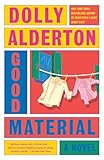
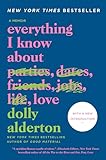
If you want a story instead of advice, Good Material by Dolly Alderton is a funny, sad novel about getting over someone, and Everything I Know About Love is her memoir about friendship and dating. Many of the top search results for “books about heartbreak” are novels, so you’re not alone in wanting one.
Good Material follows Andy, a comedian in London, after his girlfriend Jen ends their relationship, so the heartbreak is told from his side. Amazon reviewers describe it as slow at first, then tender and funny, and one says Alderton gradually changes how you see the main characters.
Everything I Know About Love is Alderton’s funny memoir about growing up, female friendship, and dating disasters. One reader warns it has more dating disasters than happy relationships, which is part of the point.
A word of caution: very sad novels can feel good in the moment and keep you stuck in the feeling. If a book makes you want to text your ex, put it down for a few days.
Still checking on your ex?
If you keep looking for signs about your ex, read the article on that exact situation, then pick a book that helps you stop checking.
| What’s happening | Read first | Book for this stage |
|---|---|---|
| Your ex keeps blocking and unblocking you | Why they keep blocking and unblocking you | Getting Past Your Breakup |
| Your ex watches your stories | Why does my ex watch my stories? | It’s Called a Breakup Because It’s Broken |
| You’re looking for signs he misses you | Signs he misses you after a breakup | How to Fix a Broken Heart |
| You’re not sure it’s really over | Signs your ex will never come back | Getting Past Your Breakup |
| Your ex seems to resent you | Why your ex dislikes you after ending it | Tiny Beautiful Things |
| Every silence sets you off | How to be unbothered | When Things Fall Apart |
If you’ve thought it through and still want to try to reconcile, our get your ex back page covers that separately. Most of the books above assume you’re moving on, so they won’t help with that goal.
Breakup book FAQs
What is the best book to read after a breakup?
For most people, the best first book is How to Fix a Broken Heart by Guy Winch, because it’s short and explains why the pain feels so intense. If you want a full program with exercises, Getting Past Your Breakup by Susan J. Elliott is the most frequently recommended.
What is a good book for someone with a broken heart?
Tiny Beautiful Things by Cheryl Strayed is a good gift for someone with a broken heart, because it offers comfort without telling them what to do. If they like practical advice, How to Fix a Broken Heart is a short, kind choice.
What is the 3-3-3 rule for breakups?
There’s no single 3-3-3 rule. The sites that describe it disagree: some say 3 days of letting emotions out, 3 weeks of reflection, and 3 months of rebuilding, while others use the name for a three-month no-contact period. We found no research testing any version. What research does show is that the craving for an ex tends to ease as time passes, as described in the research section above.
What is the 21-day rule after a breakup?
The 21-day rule usually means 21 days of no contact with your ex. It’s a social media rule of thumb, not a research finding. No contact is a core part of Getting Past Your Breakup and It’s Called a Breakup Because It’s Broken, but those books don’t set a 21-day limit.
What are good breakup books for men?
How to Fix a Broken Heart, Getting Past Your Breakup, and The Journey from Abandonment to Healing are written for anyone, not for one gender. Good Material is a breakup novel told by a man. It’s Called a Breakup Because It’s Broken and The Breakup Bible are written for women, as their subtitles say.
Should I read about my ex’s attachment style?
Only once the worst has passed, and mainly to understand your own side. Reading about your ex’s style in the first weeks can turn into another way of staying connected to them. Attached is most useful when you use it to choose differently next time.
When is a book not enough?
A book can help you understand a breakup, but it can’t carry you through depression, sleeplessness, or thoughts of harming yourself. Rejection in love can lead to depression, and in extreme cases to suicide, as the researchers behind the 2010 brain study note. Consider a licensed therapist if:
- you can’t sleep, eat, or work weeks after the breakup,
- you feel hopeless most days,
- you keep contacting your ex even though you want to stop, or
- the breakup brought back older trauma.
If you’re thinking about hurting yourself, call or text 988 to reach the 988 Suicide & Crisis Lifeline. If an ex is following, threatening, or harassing you, call the National Domestic Violence Hotline at 1-800-799-7233 or text START to 88788.
Sources
- Fisher, H. E., Brown, L. L., Aron, A., Strong, G., & Mashek, D. (2010). Reward, addiction, and emotion regulation systems associated with rejection in love. Journal of Neurophysiology, 104(1). Article · Rutgers summary
- Langeslag, S. J. E., & Sanchez, M. E. (2018). Down-regulation of love feelings after a romantic break-up. Journal of Experimental Psychology: General. PubMed · BPS Research Digest summary
- Eastwick, P. W., Finkel, E. J., Krishnamurti, T., & Loewenstein, G. (2008). Mispredicting distress following romantic breakup. Journal of Experimental Social Psychology, 44(3), 800–807. Summary (Psychology Today)
- Reading lists: Amy Chan, Renew Breakup Bootcamp · Upjourney expert panel · Most Recommended Books · Yalom · Max Jancar
- Author pages: Guy Winch · Susan J. Elliott · Rachel Sussman · Susan Anderson · Ramani Durvasula · Columbia Psychiatry: Amir Levine
- 988 Suicide & Crisis Lifeline · National Domestic Violence Hotline
This page was drafted with AI writing tools and edited by the Truth In Flirting team, which writes under pen names. It is general information, not therapy or personal advice. How we use AI.